






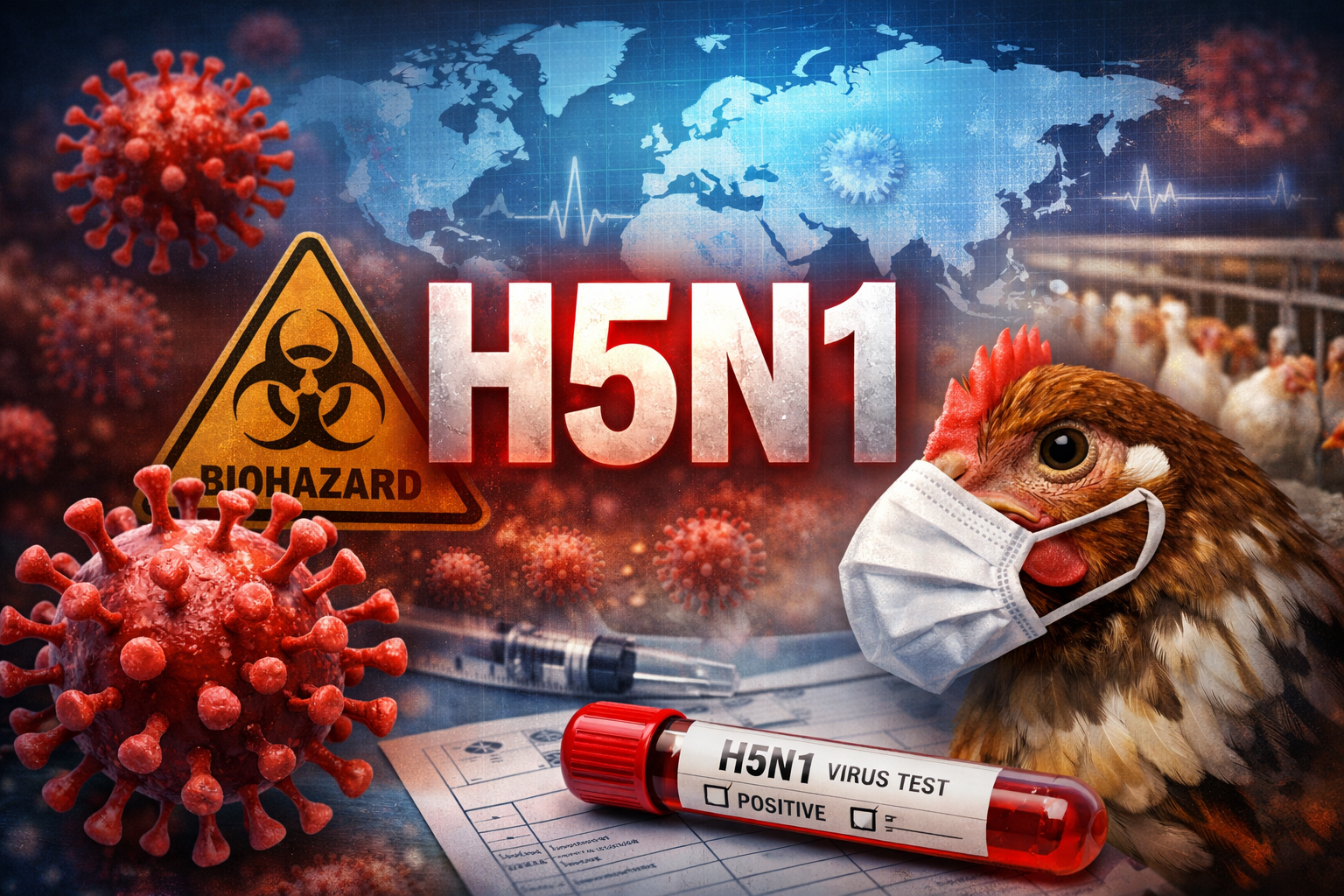
When the news of the H5N1 virus first broke out, whispers of panic began to echo through the bustling streets of Chennai. Known for its vibrant culture and as a hub for economic growth, the city suddenly found itself grappling with an invisible threat. The H5N1 virus scare in Chennai didn’t just stir fear—it challenged the fabric of everyday life, altering routines and raising questions about public health readiness. While Chennai has faced natural calamities and socio-political upheavals before, the spectre of a potential pandemic loomed large, casting a shadow over the city’s usual resilience.
Amidst the flurry of government advisories and precautionary measures, a collective consciousness emerged, focused on understanding this virulent foe. How did this virus manage to sow fear and urgency among both authorities and citizens alike? The urgency of addressing infectious diseases was thrust into the spotlight, prompting an evaluation of healthcare systems and the need for immediate action. As we delve into the impact of the H5N1 virus scare, it becomes evident that its effects reach beyond mere statistics, influencing how communities perceive health crises and respond to them.
Spread of the H5N1 Virus and Initial Reactions
The H5N1 virus scare in Chennai sent shockwaves through the city, triggering a series of initial reactions from various stakeholders. Public health authorities swiftly mobilized to contain the spread of the virus while researchers scrambled to understand its origin and transmission patterns.
In the wake of the outbreak, hospitals in Chennai were inundated with suspected cases, prompting medical staff to implement strict isolation protocols to prevent further contagion. The public, gripped by fear and uncertainty, rushed to pharmacies to stock up on protective masks and antiviral medications.
Government officials acted decisively, declaring a state of emergency and deploying additional resources to curb the outbreak. Quarantine measures were put in place, restricting movement in and out of the affected areas to limit the virus’s reach.
As news of the H5N1 virus scare in Chennai spread, misinformation and panic also began to circulate, prompting authorities to launch public awareness campaigns to dispel myths and provide accurate information on the virus’s symptoms and preventive measures.
The global health community closely monitored the situation in Chennai, recognizing the potential for the virus to spread beyond the city’s borders. International aid organizations offered support, sending medical supplies and personnel to assist local efforts in containing the outbreak.
The H5N1 virus scare in Chennai underscored the importance of preparedness and swift action in the face of emerging infectious diseases. While the initial reactions were marked by chaos and confusion, a coordinated response ultimately helped stem the spread of the virus and protect the population from further harm.