








Raksha Bandhan, popularly known as Rakhi, is one of India’s most cherished festivals. It celebrates the unique bond of love, trust, and lifelong support between brothers and sisters. Every year, millions of families come together to observe this festival by tying a sacred thread called a Rakhi, exchanging gifts, and praying for each other’s happiness and well-being.
As Raksha Bandhan 2026 approaches, here’s everything you need to know about the festival, including the date, Shubh Muhurat, significance, history, rituals, and celebrations.
Raksha Bandhan 2026 Date
In 2026, Raksha Bandhan will be celebrated on Thursday, August 27, 2026.
The festival is observed on the full moon day (Purnima) of the Hindu month of Shravana (Sawan). Since the Hindu calendar is lunar, the date changes every year according to the movement of the moon.
Raksha Bandhan 2026 Shubh Muhurat
The most auspicious time to tie Rakhi is during the Aparahna period, while avoiding the Bhadra Kaal, which is traditionally considered inauspicious for performing Raksha Bandhan rituals.
Important timings for Raksha Bandhan 2026:
- Festival Date: Thursday, August 27, 2026
- Tithi: Shravana Purnima
- Recommended Rakhi Muhurat: During the Aparahna period after the end of Bhadra (consult your local Panchang for city-specific timings).
Since Muhurat timings vary by location, devotees should refer to a local Panchang or temple calendar for the most accurate schedule.
What Is Raksha Bandhan?
The word Raksha Bandhan comes from two Sanskrit words:
- Raksha means protection.
- Bandhan means bond or tie.
The festival symbolizes a sacred promise of love, protection, respect, and lifelong companionship. While traditionally celebrated between brothers and sisters, modern celebrations also honor bonds between cousins, friends, mentors, soldiers, and even members of different communities.
The History of Raksha Bandhan
Raksha Bandhan has deep roots in Indian culture and mythology. Several stories are associated with the origin of the festival.
1. Krishna and Draupadi
One of the most popular legends tells the story of Lord Krishna and Draupadi. After Krishna injured his finger, Draupadi tore a piece of her saree and tied it around the wound to stop the bleeding. Touched by her affection, Krishna promised to protect her whenever she needed him. This story is often considered the spiritual foundation of Raksha Bandhan.
2. Indra and Indrani
Ancient scriptures describe how Indrani tied a sacred protective thread on Lord Indra before a battle against demons. The thread was believed to bring divine protection and victory.
3. Rani Karnavati and Emperor Humayun
A well-known historical account suggests that Rani Karnavati of Mewar sent a Rakhi to Mughal Emperor Humayun seeking protection during a time of conflict. Although historians debate the details, the story has become a symbol of trust and mutual respect.
4. Yama and Yamuna
Another legend tells of Yamuna tying a sacred thread to her brother Yama, the god of death. Pleased by her love, Yama blessed that siblings celebrating this ritual would enjoy long life and happiness.
Why Do We Celebrate Raksha Bandhan?
Raksha Bandhan is much more than a traditional ritual. It celebrates:
- Unconditional sibling love
- Family unity
- Mutual respect
- Lifelong support
- Gratitude and affection
- Protection in both emotional and spiritual forms
Today, many sisters tie Rakhi to sisters, friends tie Rakhi to each other, and people even send Rakhis to soldiers, teachers, and mentors as a symbol of appreciation and trust.
Raksha Bandhan Rituals
The celebration usually begins with family members gathering for prayers.
The traditional rituals include:
- Preparing a decorated puja thali with Rakhi, diya, rice, kumkum, sweets, and flowers.
- Performing an aarti for the brother.
- Applying a tilak on the forehead.
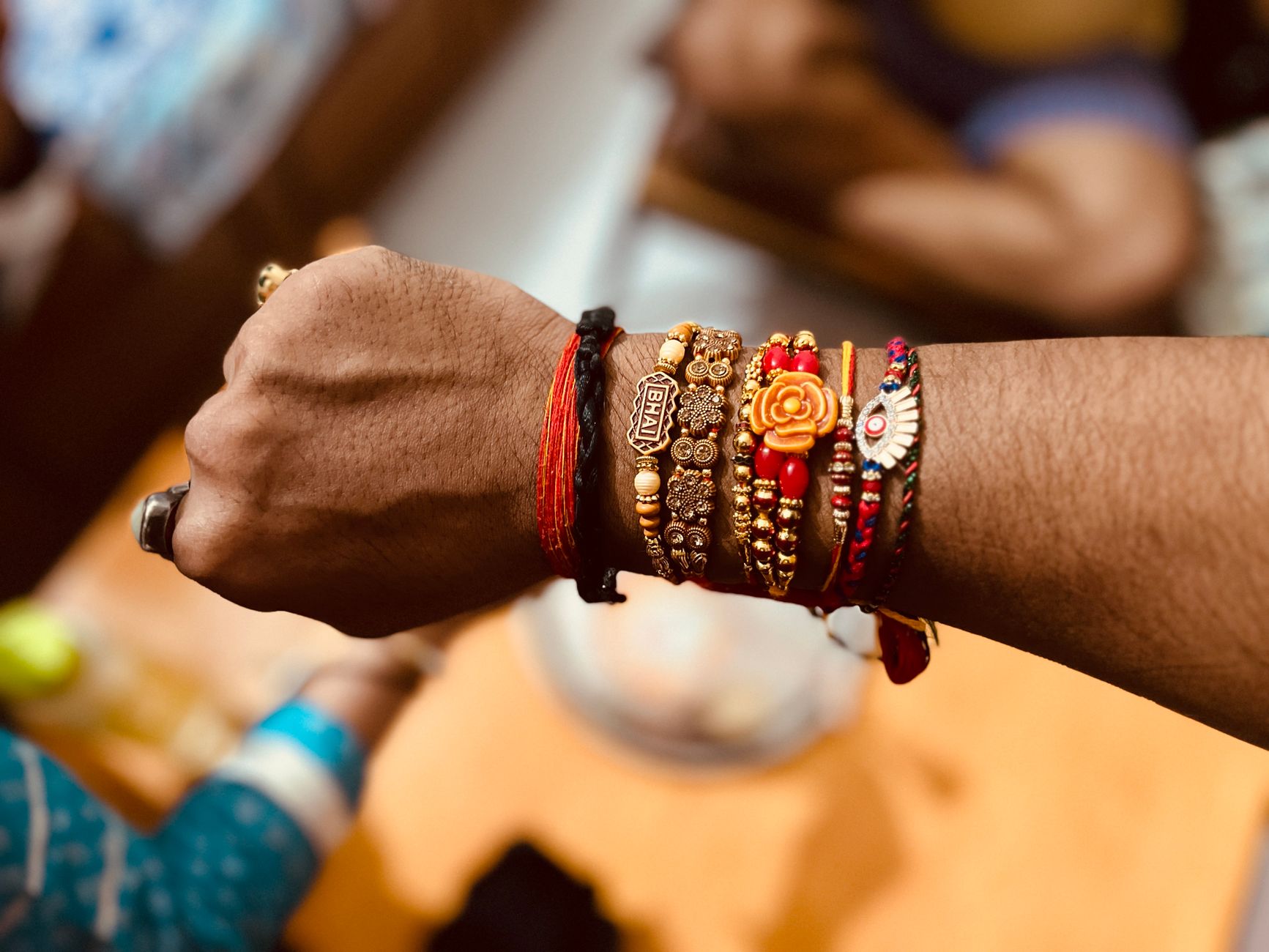
- Tying the Rakhi on the brother’s wrist.
- Offering sweets.
- Exchanging gifts and blessings.
- Praying for health, prosperity, and happiness.
Many families also donate food, clothes, or money to those in need as an act of kindness during the festival.
Significance of the Rakhi Thread
The Rakhi thread represents much more than a decorative bracelet.
It symbolizes:
- Trust
- Commitment
- Blessings
- Emotional support
- Family values
- Protection and care
Modern Rakhi designs include traditional silk threads, handmade Rakhis, eco-friendly options, personalized Rakhis, and designer bracelets.
How Raksha Bandhan Is Celebrated Across India
Different regions of India celebrate the festival in unique ways.
- North India: Families gather for elaborate Rakhi ceremonies followed by festive meals.
- Maharashtra: Raksha Bandhan coincides with Narali Purnima, when fishermen offer coconuts to the sea.
- Gujarat: Devotees celebrate Purnima with temple visits and special prayers.
- Rajasthan: Sacred threads are tied not only among siblings but also during religious rituals.
- West Bengal and Odisha: Families perform traditional pujas and prepare festive sweets.
Despite regional differences, the message of love and protection remains the same.
Popular Raksha Bandhan Foods
No Indian festival is complete without delicious food.
Some favorite Rakhi delicacies include:
- Kaju Katli
- Motichoor Ladoo
- Gulab Jamun
- Rasmalai
- Peda
- Gujiya
- Barfi
- Puri with Aloo Sabzi
- Paneer dishes
- Kheer
Many families also prepare homemade sweets that have been passed down through generations.
Modern Ways to Celebrate Rakhi
As families become more global, Raksha Bandhan has evolved with time.
Many people now celebrate by:
- Sending Rakhi online to siblings abroad
- Organizing virtual Rakhi ceremonies through video calls
- Choosing eco-friendly Rakhis
- Donating to charities together
- Creating personalized gifts and photo albums
- Spending quality time instead of focusing only on expensive presents
The essence of the festival lies in strengthening relationships rather than material gifts.
Frequently Asked Questions
When is Raksha Bandhan in 2026?
Raksha Bandhan will be celebrated on Thursday, August 27, 2026.
Why is Bhadra avoided during Rakhi?
According to Hindu tradition, Bhadra is considered an inauspicious period for performing auspicious rituals, including tying Rakhi.
Can sisters tie Rakhi to sisters?
Yes. Today, Rakhi symbolizes love, trust, and care, and can be exchanged among siblings, cousins, friends, and loved ones regardless of gender.
What is the significance of Rakhi?
The Rakhi thread symbolizes protection, affection, lifelong support, and the enduring bond between loved ones.
Final Thoughts
Raksha Bandhan is more than a festival—it is a celebration of relationships built on love, trust, and mutual care. Whether siblings live in the same home or on opposite sides of the world, the simple act of tying a Rakhi serves as a heartfelt reminder that family bonds can remain strong across any distance.
As you celebrate Raksha Bandhan 2026, cherish the moments spent with your loved ones, express gratitude, and create memories that will last a lifetime.
Happy Raksha Bandhan 2026!